

Meet author Michael J. Stevens . . .
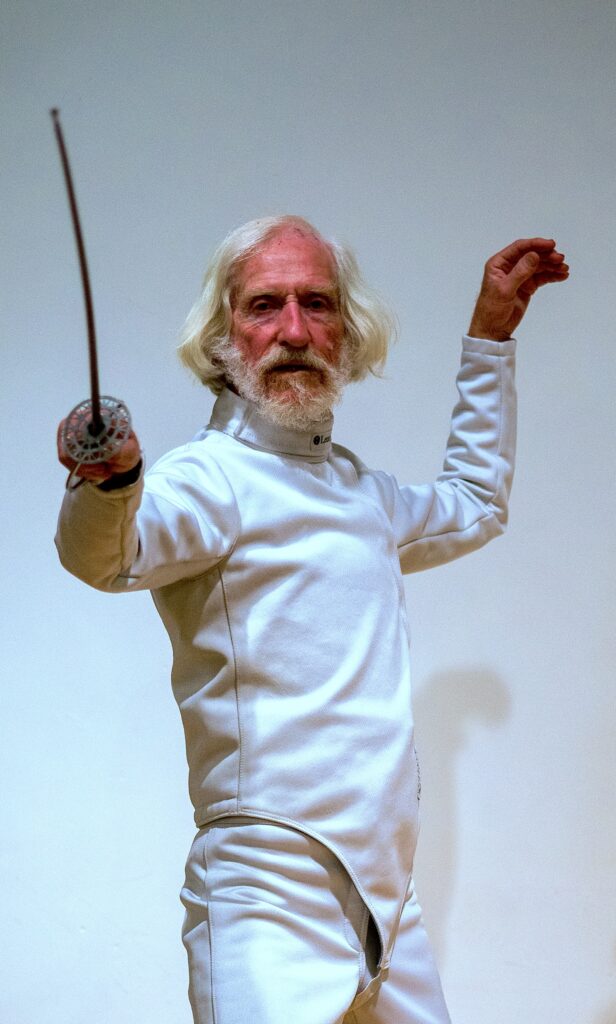
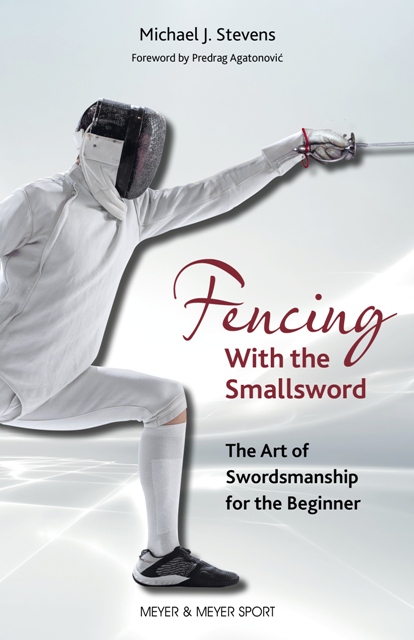
We are joined by Michael J. Stevens as we celebrate the release of Fencing With the Smallsword: The Art of Swordsmanship for the Beginner. Michael shares with us just how this fabulous practical guide to the smallsword came about.
We challenge anyone not to want to take up the sport after reading this book!
“I took up fencing decades ago when beginners typically spent a lot of time learning and perfecting all the various attacks and parries before being allowed to start fighting. Since then, the teaching has changed and sports fencing clubs now put a lot of effort into getting fencers physically fit but spend much less time practising blade-work. The result is that competition fencing has become more dependent on speed and athletics, while the fencing itself has been dumbed down, making it much less interesting.
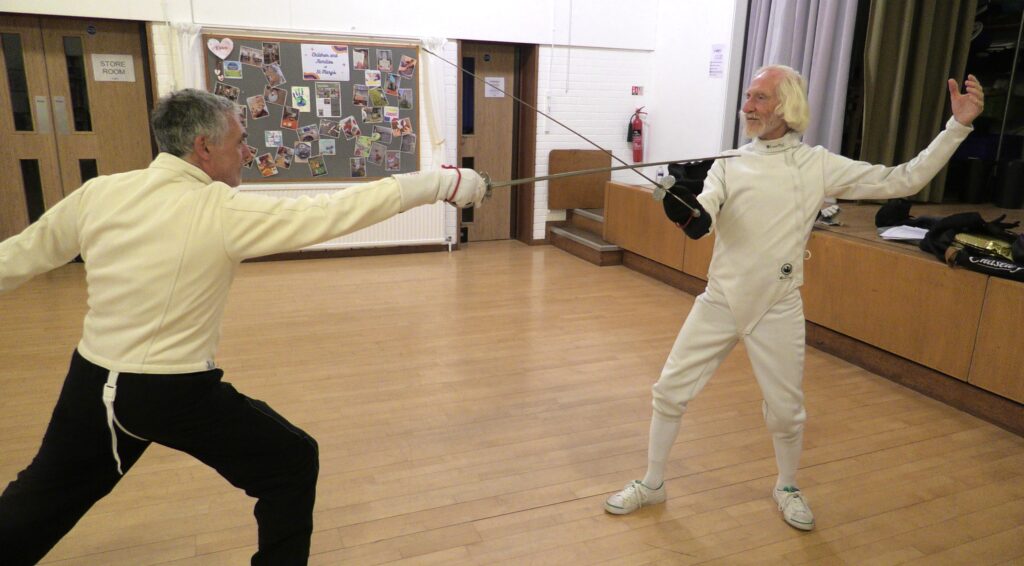
This is where the smallsword offers a wonderful alternative to the modern trend. It is more closely related to its duelling origins and the focus is very much on the swordplay. Smallsworders, like the duellists of old, do not need to be trained athletes; it’s a wonderful recreation for anyone who wants to learn a new skill.
Smallsword fencing is a recent discovery for me and it’s a lot of fun. But how do you learn to fence with the smallsword? The best help I could find was in eighteenth century fencing manuals, and I extracted a lot of exercises and expressed them succinctly in modern fencing terminology to give my sparring partners and myself something to practise. We found these so useful that I wondered if I could get them published so others could benefit from them too, and this is how this book came into being. The exercises are best practised in the order printed as the easier ones appear first. Some short exercises are followed by additional movements to string on the end, turning them into short fight sequences.
I found a lot of useful exercises in a book by fencing expert John McArthur, a navy man who was also ship’s purser on HMS Victory. He made the point that any art requires a knowledge of the underlying theory. Smallsword fencing is more like a martial art than a sport, and I have included a chapter on fencing theory which explains all the guard positions, thrusts and parries that can be used. Readers who don’t know their theory may need to refer back to this chapter to understand the descriptions of the exercises.
When we first start sword fighting it’s easy to forget the moves we learned and practised, or to execute them badly in the heat of the moment. To help remedy this I have included some fight sequences to learn, because it’s much easier to get things right when you’re told what to do. It’s very rewarding when you manage to get through these sequences, as they can be a bit challenging.

“Smallsworders, like the duellists of old, do not need to be trained athletes; it’s a wonderful recreation for anyone who wants to learn a new skill.”
At our club we practise some of the exercises at every meeting. I do hope that the book will be of practical use to others who are interested in smallsword fencing, and that it will encourage more fencers to try this interesting weapon.”
We hope – and expect – it will encourage others to take up smallsword fencing too! Thank you so much for joining us today, Michael – and congratulations on the publication of Fencing With the Smallsword.
Fencing With the Smallsword: The Art of Swordsmanship for the Beginner is out now and available through all good bookstores and online retailers.


